Walk into any hospital and look at the ER or the ICU and you will see injectable medicines doing the heavy lifting. No pills.. Not syrups. Injections. For who someone is in a critical situation there is not enough time to wait for a tablet to dissolve and be absorbed through the gut. Sterile injections go directly into the bloodstream, or the muscle, and that’s really the whole point of them, speed, plus a level of control oral medicines just can’t compare it. If you are on the buying side of this – a hospital, a distributor or a pharma business looking to add injectables to your line – it is actually worth understanding what goes into these products .Not the marketing version, either. The real one.
So What Are Injectable Medicines, Really
Injectable medications are drugs delivered directly into the body via a syringe or infusion. By bypassing the digestive system, they offer faster, more precise, and more predictable effects than pills. They are widely used for acute emergencies, chronic illnesses, and medications that the stomach would otherwise destroy. Depending on the medicine, it will be administered in one of a few ways:
- Intravenous (IV): Delivered directly into a vein for immediate action, Intramuscular (IM): Injected deep into a muscle, where it is absorbed quickly into the bloodstream.
- Subcutaneous (SC): Administered into the fatty layer just beneath the skin. This allows for a slower, sustained release of the medicine, making it ideal for self-administered drugs like insulin or biologics.
- Depot: A slow-release injection designed to be steadily absorbed by the body over weeks or even months.
The Really Important Categories
Hospitals don’t only carry one type of injectable. They need a variety, depending on the department:
- Antibiotic injections – for infections requiring quick treatment, usually when oral antibiotics will not work fast enough;
- Pain Relief Injections – anytime pain needs to be controlled quickly, after surgery, in emergency rooms.
- Critical Care Injections — basically ICU staples.Keep patients stable in precarious situations.
- GI Care Injections – when a patient cannot take anything orally but needs relief from nausea or acidity.
- Steroid Injections – Some Autoimmune Diseases, Inflammation, Allergic Reactions.
- Vitamin & Nutritional Injections – deficiency cases where oral supplements aren’t being absorbed well enough
- Iron Therapy Injections – mostly used for severe anaemia when oral iron just isn’t strong enough or fast enough.
How These Actually Get Manufactured
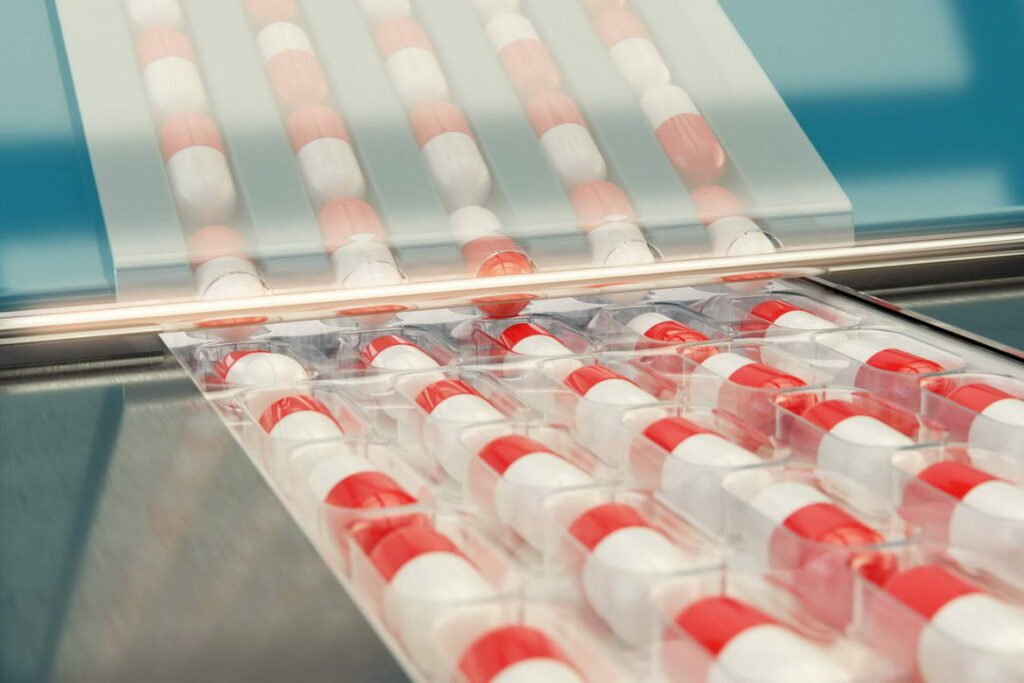
People think it’s just “mix and fill. Not even remotely.Here there is a real chain, and every link matters: First, sourcing – APIs and excipients from suppliers who’ve actually been vetted, not just the cheapest quote. And then formulation – getting the concentration and the solvents and the stabilisers right, because even a small miscalculation can change how the drug works.Then it goes on to aseptic filling, inside a cleanroom, and this stage alone is where most of the contamination risk lives if someone gets sloppy.And then try.Sterility tests.Analysis of particulate matter. And even then, anything gets near packaging only by all that.
This entire chain is what people mean when they say Injectable Manufacturing Services: How Sterile Injections Are Produced — and really, this is where the difference is between a manufacturer that’s worth trusting and one that’s cutting corners somewhere you’ll never see until it’s too late.
Why You Should Be Outsourcing This Right Now
It is very expensive to build your own sterile facility.Takes years, too. So a lot of companies – PCD franchise brands especially – go the contract manufacturing injections route instead of building from scratch.
What third-party injectable manufacturing actually gets you:
- No massive upfront cost on cleanroom infrastructure
- WHO-GMP certified lines you can use immediately, not after 3-4 years of construction
- Production that scales with demand instead of sitting on fixed capacity
- More time for sales and distribution, less time managing a factory floor
Where They’re Actually Used
Walk through any hospital department and injectables are everywhere. Antibiotic injections in infectious disease wards. Pain relief injections around surgery. Critical care injections in the ICU. Steroid injections for inflammation and allergies. Vitamin and iron therapy injections for patients with long-running deficiencies that tablets never quite fixed. It’s not a niche category – it touches almost every part of patient care, which is exactly why quality can’t be treated as an afterthought here.
The Standards That Separate Good From Risky
This is the part that actually matters, more than anything else in this whole guide.
WHO-GMP Standards. Not optional. Not a nice-to-have. This is the floor, and any manufacturer below it shouldn’t be in the conversation.
Sterility – proven through actual validated testing. Not “the room looked clean so we assumed it was fine.”
Stability testing across different temperature and humidity conditions, so shelf-life claims on the box are actually true and not just guesswork.
Pyrogen and endotoxin testing – because a bad reaction from something that should’ve been screened out is completely avoidable, and there’s no excuse for skipping this step.
Traceability. Being able to trace a batch back to its raw material, not just to a filed document somewhere.
None of this sounds exciting. It’s not supposed to. But it’s the actual reason a WHO-GMP injection manufacturer is worth choosing over someone who just slaps “quality certified” on a brochure without much behind it.
Why Quality Assurance Isn’t Something You Can Skip Here
With oral tablets, a small manufacturing error might just mean a slightly weaker dose. With injectables, there’s no such cushion. A contamination issue goes straight into a patient’s bloodstream, and there’s no undoing that. That’s why quality assurance in a serious injectable pharmaceutical company isn’t a final checkbox before shipping – it’s built into literally every stage, starting the moment raw material walks through the door, right up to the sealed vial leaving the facility. And it’s exactly what regulators check during audits, whether that product’s headed to a local hospital or getting exported.
What To Actually Check Before Picking a Manufacturer
Keep it simple. WHO-GMP certified facility – yes or no. A real spread across categories (antibiotic, pain relief, critical care, GI care, steroid, vitamin, iron therapy injections) – not just 1 or 2 products with everything else outsourced further down the chain. Quality assurance that’s actually documented and shown, not just claimed. And delivery timelines that hold up, especially for hospital supply where delays aren’t really an option.
Final Word
Injectable medicines aren’t going anywhere anytime soon – too central to emergency care, surgery, and long-term disease management for that to change. What has changed is how much scrutiny goes into choosing the right injection manufacturer in India, especially now that hospitals and distributors are getting a lot more selective about who they trust with sterile injections. If you’re getting into this category, start with the manufacturing standards. The price list can wait.